
GOLD BUYER AND PAWN SHOP FAQS
How Much Does It Cost to Pawn Electronics?
Pawn shops generally charge interest rates between 5% and 15% per month on pawned electronics, depending on the item’s value and loan amount. The exact cost varies by store policies and the item’s condition. Always ask about fees before pawning to understand your repayment obligations clearly.
What Is the Difference Between Selling Gold and Pawning Gold?
Selling gold means you permanently give up ownership for immediate cash, while pawning gold involves getting a loan using your gold as collateral. Pawning lets you reclaim your gold by repaying the loan plus interest. Pawning offers flexibility if you want temporary cash without losing your valuables.
What Happens When I Pawn Electronics at a Local Pawn Shop?
When pawning electronics in a local pawn shop, the staff will assess your item’s condition and market value, then offer a loan amount based on this appraisal. You’ll sign a contract outlining loan terms and repayment dates. Once repaid, you retrieve your item; otherwise, the pawn shop may sell it to recover the loan.
Why Is My Pawned Item Not Working After Redemption?
Sometimes, pawned electronics can malfunction if they were not fully tested or have been damaged over time. Professional pawn shops test items at checkout, but wear and tear can affect performance. If your redeemed item isn’t working, talk to the pawnbroker about warranties or return policies.
How Do I Choose the Right Pawn Shop for Selling or Pawning Electronics?
Look for pawn shops with strong customer reviews, transparent pricing, and clear loan terms. Professional shops will offer fair appraisals based on local market rates and provide secure storage. Visiting several shops and asking questions helps you find a reliable dealer who fits your needs.
What Are the Benefits of Using a Local Pawn Shop for Gold Buying and Loans?
Local pawn shops offer fast cash for gold without credit checks, flexible loan terms, and personal service. These shops have expert appraisers who understand local gold values and can provide immediate offers. Using a reputable local shop also ensures secure transactions and keeps business within your community.
How Long Does a Typical Pawn Loan Last?
Most pawn loans last 30 days with the option to renew or extend by paying interest. Some shops offer longer terms up to 90 days depending on loan size and item type. It’s important to confirm loan duration and renewal policies when you pawn your item to avoid forfeiture.
What Types of Electronics Can I Pawn at Local Pawn Shops?
Popular electronics accepted at pawn shops include smartphones, laptops, tablets, gaming consoles, cameras, and home audio equipment. Items must be in good working condition and include chargers or accessories when possible. Condition and market demand affect the loan amount offered.
Can I Get My Pawned Item Back If I Repay the Loan Early?
Yes, you can usually redeem your pawned item anytime before the loan due date by paying the principal and any accrued interest. Early repayment often saves you money on interest fees. Always check the pawnshop’s specific early payoff policies to understand how they affect your loan.
How Do Pawn Shops Evaluate the Value of Gold?
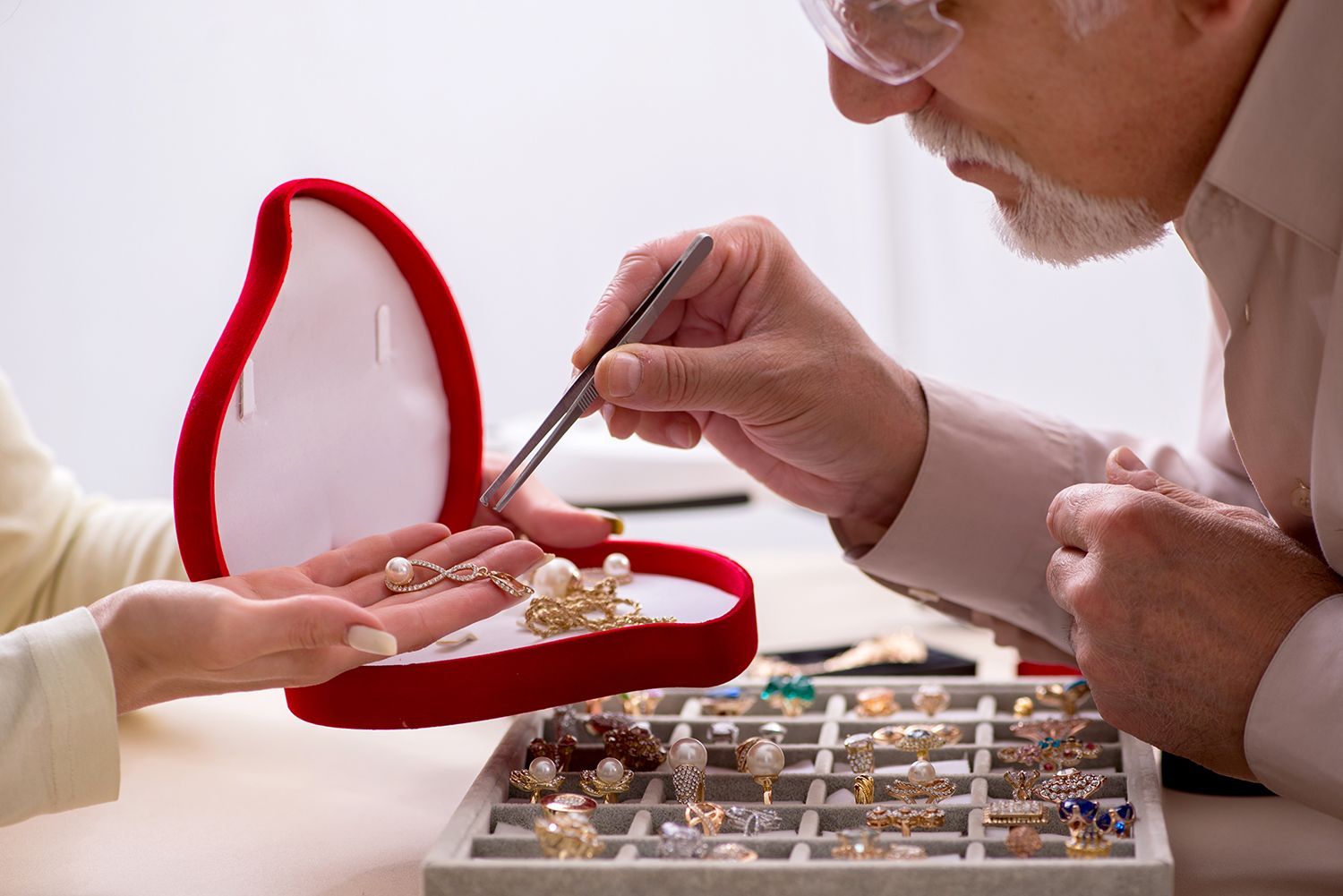
Pawn shops evaluate gold using up-to-date market prices, the item’s weight, and purity (karat). They typically use electronic gold testers or acid tests to determine purity quickly. Understanding local gold rates helps ensure you get a fair offer when selling or pawning your gold. Contact Mr. Pawn Shop now!
